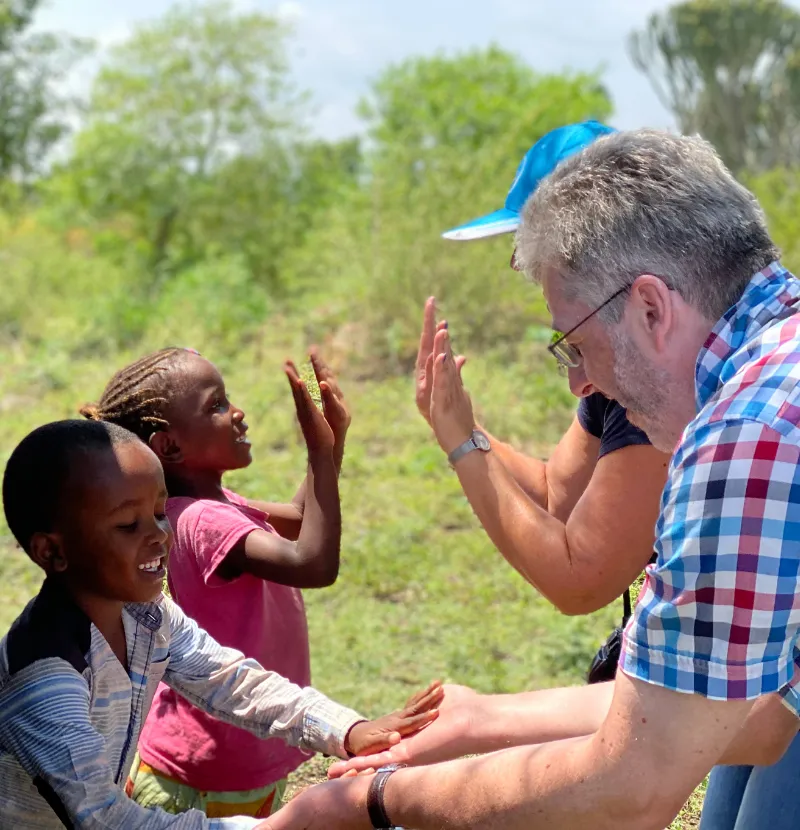
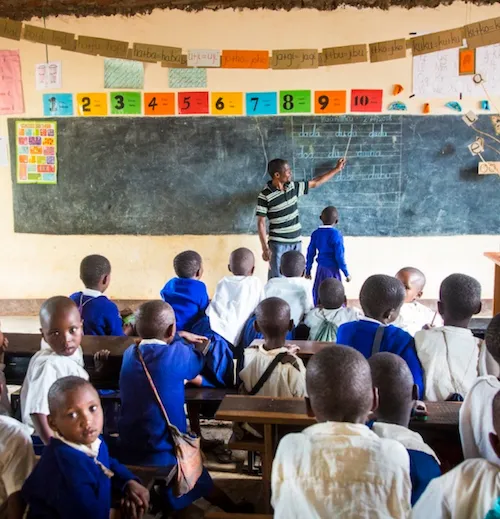
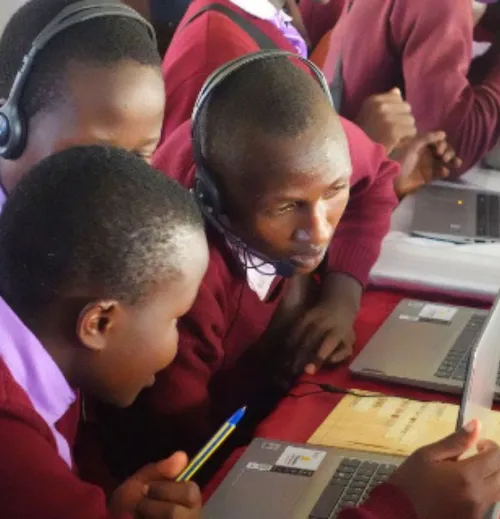
Discover more about the Worthy Causes you will visit on the tour.
Filled with immersive experiences, cultural encounters, and impactful visits to directly to Projects.
.webp)
Kenya is culturally diverse and generally welcoming. Lightweight, breathable clothing is best, especially in warmer regions. Modest attire is recommended when visiting rural communities, schools, villages, or places of worship, with shoulders and knees covered. Comfortable walking shoes are essential. A hat, sunglasses, and a light scarf or shawl are useful for sun protection and for adapting to different cultural settings.
Tipping is appreciated in Kenya and often forms an important part of service workers’ income. In hotels and restaurants, a small tip is customary for good service, while guides and drivers typically receive tips at the end of the trip. Our guests typically reward our guides with USD 5 - 15 per person per day, while drivers usually receive USD 3 - 5 per person per day.
The local currency is the Kenyan Shilling (KES). Credit cards are widely accepted in hotels and larger establishments, but cash is useful for small purchases, tips, and local markets. ATMs are available in cities, though access may be limited in rural areas. It’s best to carry small denominations and avoid displaying large sums of cash.
It’s recommended to consult your healthcare provider or a travel clinic well before departure. Routine vaccinations should be up to date, and additional vaccinations may be advised depending on your travel history and itinerary. Travel insurance is essential, and carrying basic medications, sunscreen, insect repellent, and hand sanitiser will help you stay comfortable throughout the trip.
Kenya’s climate varies by region and altitude, but temperatures are generally warm during the day with cooler mornings and evenings, particularly in higher-altitude areas. Overall, conditions are pleasant and well suited to outdoor activities.


Below are commonly asked questions. Please explore our help center or contact us for more.
Contributions to various projects during the tour will be facilitated by our Worthy Cause organizations carefully. If you wish to make extra contributions, you are very welcome to enquire with the B1G1 Team first so that we can find the most effective and empowering way to direct your gifts.
We will be releasing fully detailed information later about the entire itinerary of the tour. For now, you can have a look at B1G1 Projects by So They Can, The Mango Tree Orphan Support Trust and Kilimanjaro Blind Trust to get a sense of the experience to come!
The participants come from a wide range of B1G1 Businesses. It's a great opportunity to connect with like-minded people from around the world.
As there are a limited number of tickets available, the booking page will only allow you to select as many tickets as are still available. If you would like to add any additional guests to the waitlist, please contact us at team@b1g1.com.
Our overseas study tour with B1G1 is designed to be inclusive and accessible. However, there are a few activities that may involve some physical exertion, such as planting trees. The Kenya Study Tour also involves long bus drives of over 3 hours so do come prepared if you are worried about motion sickness.
It covers all your meals, local transportation, accommodation for 7 nights (or 9 nights if you are staying for the extended duration) , all the tour activities and special giving to the projects we are visiting. The fee does not include the international flights for you to get to Nairobi, alcohol consumption and single room surcharge (if available).
Family members of B1G1 Members and Partners are welcome to join us on the tour. However, the minimum age requirement is 13 years old because the B1G1 Study Tour schedule contains activities that may not always be suitable for younger children.